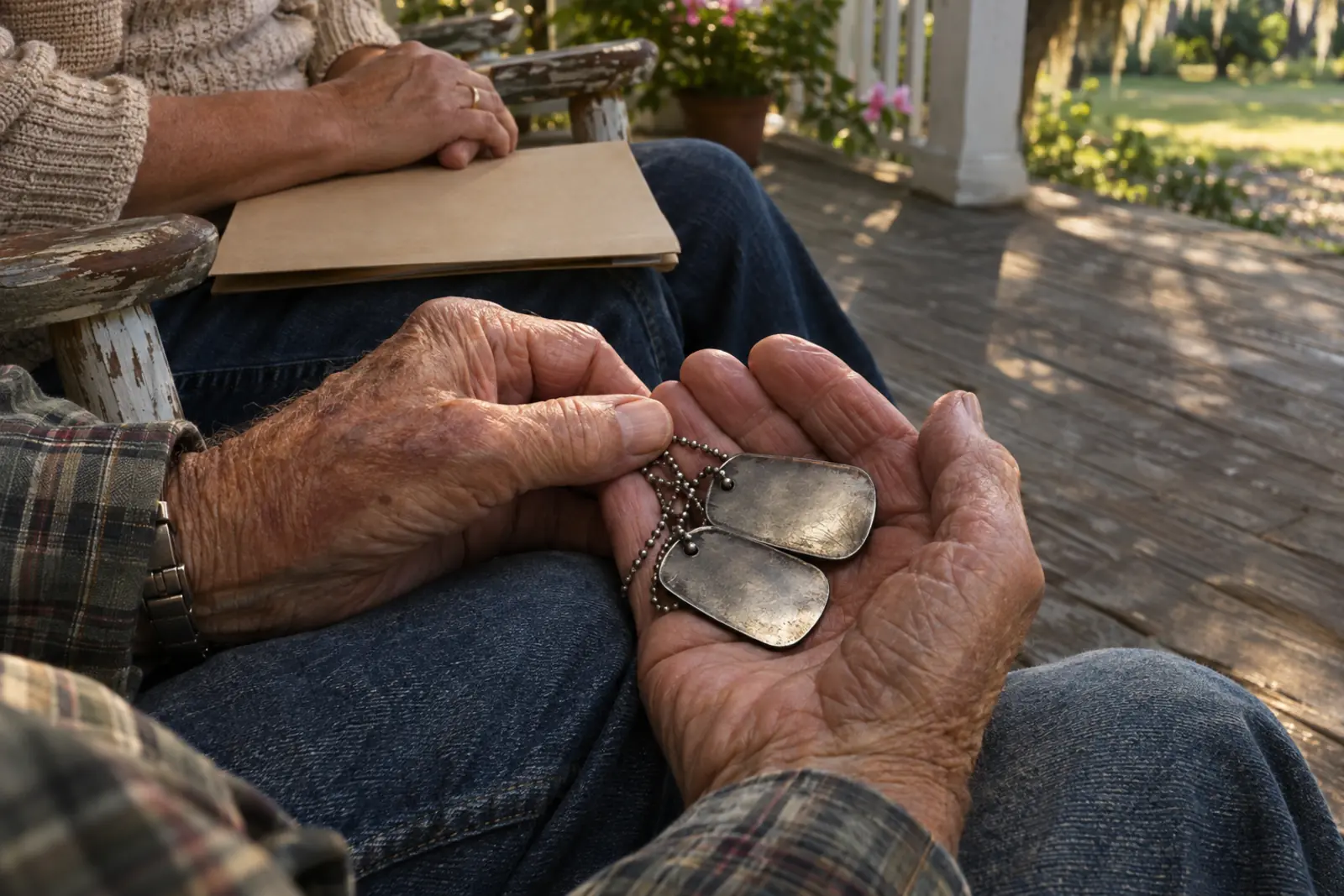
Veterans Aid and Attendance is an extra monthly payment added to a VA pension for eligible veterans and surviving spouses who need help with daily activities, stay in bed because of illness, live in a nursing home, or have very limited eyesight. It is not a stand-alone benefit: a person has to qualify for VA pension first, which also means meeting service, income and net worth rules. For families in Macon-Bibb and Middle Georgia, the VA decides eligibility, and the same VA also runs separate home care and caregiver programs.
This page is general information and not medical, legal or financial advice; the Department of Veterans Affairs decides VA benefit eligibility. The descriptions below draw on VA information. Verify current requirements, payment rates and local service availability with the VA.
Understand the different routes to help
A family may need money toward personal care, someone to help at home, or support for a spouse providing daily assistance. Those needs overlap, but the VA programs serve different purposes. The following comparison reflects VA pension, geriatrics and caregiver support information.
| Benefit | What it is | How to start |
|---|---|---|
| Pension with Aid and Attendance | An extra monthly payment added to a VA pension for eligible veterans and survivors with qualifying care needs. | Review pension eligibility and the medical evidence described in the VA pension instructions. |
| Housebound allowance | A pension addition for eligible people who spend most of their time at home because of a permanent disability. | Review the VA pension instructions for documenting housebound status. |
| Homemaker and Home Health Aide care | A VA medical center route to assistance at home; availability varies. | The veteran's VA medical center can explain assessment and local services. |
| Veteran-Directed Care | A VA geriatric and extended care program; availability varies. | The VA medical center can explain whether this option is available locally. |
| Caregiver Support Program | General caregiver support and a comprehensive family caregiver program with narrower eligibility. | Review the VA caregiver program descriptions and local assessment process. |
What Aid and Attendance means
Aid and Attendance is an extra monthly amount added to a VA pension. It is not an automatic home care allowance for everyone who served. According to the VA's pension information, eligibility depends on pension requirements as well as qualifying care needs.
Care needs the VA considers
The VA's Aid and Attendance information says a person who receives a VA pension must meet at least one of these circumstances:
- Needing another person to help with daily activities such as bathing, feeding or dressing.
- Having to stay in bed, or spending much of the day in bed, because of illness.
- Living in a nursing home because of lost mental or physical abilities related to a disability.
- Having very limited eyesight: 5/200 or less in both eyes with correction, or a visual field narrowed to 5 degrees or less.
A useful description explains what happens during an ordinary day. “Needs help dressing” is clearer when accompanied by the tasks the person cannot manage safely. Families can keep notes about assistance provided, changes in abilities and the demands on the caregiver. The VA determines whether the evidence meets its requirements.
Pension requirements still matter
A care need alone does not establish pension eligibility. According to the VA's pension eligibility page (checked November 2026), the veteran generally needs all of the following:
- Wartime service: at least one day of active duty during a recognized wartime period, such as World War II, the Korean conflict, the Vietnam era or the Gulf War period that began August 2, 1990.
- Minimum service: at least 90 days of active duty for those who entered before September 8, 1980; for those who enlisted later, generally at least 24 months or the full period called to serve, with exceptions.
- Age or disability: age 65 or older, or a permanent and total disability, long-term nursing home care because of a disability, or receipt of Social Security Disability Insurance or Supplemental Security Income.
- Discharge: not a dishonorable discharge; other-than-honorable or bad-conduct discharges may also disqualify.
- Income and net worth: yearly family income and net worth within limits set by Congress.
The VA updates limits and rates each December. Verify the current figures with the VA before estimating what assistance might be available.
How net worth is counted
The VA says net worth includes all personal property owned, minus debts, and includes the spouse's net worth. It excludes the home, the car and most home furnishings. As of November 2026, the VA lists a net worth limit of $163,699 for December 1, 2025 through November 30, 2026; the limit is updated each December.
Maximum yearly rates
The VA publishes these as maximum annual pension rates, effective December 1, 2025. Actual payments depend on the claimant's countable income, so the figures below are ceilings, not what a family should expect to receive.
- Veteran with no dependents: $29,093 a year with Aid and Attendance; $21,313 with Housebound.
- Veteran with a spouse: $34,488 a year with Aid and Attendance; $26,710 with Housebound.
- Surviving spouse with no dependents: $18,697 a year with Aid and Attendance; $14,298 with Housebound.
The Housebound allowance is a different pension addition. The VA describes it as help for eligible people who spend most of their time at home because of a permanent disability. Under the VA's rules, Housebound and Aid and Attendance cannot be paid together.
Surviving spouses
According to the VA's survivors pension page, a surviving spouse must not have remarried, must meet the VA's requirement of living with the veteran from marriage until death (called continuous cohabitation, with certain exceptions for separations), and must meet the income and net worth limits. The veteran's own service must also meet the wartime and length-of-service rules. A surviving spouse who qualifies for the pension may then be considered for the Aid and Attendance addition if care needs apply.
How to apply for veterans Aid and Attendance
According to the VA's Aid and Attendance and Housebound information, submission routes include online, by mail or at a VA regional office. By mail, VA Form 21-2680 goes to the Pension Intake Center, and a medical examiner must complete its examination section. Nursing home residents also complete VA Form 21-0779. The medical section and the family's account of daily assistance should describe the person's needs clearly. The VA does not state a processing time; claims are handled in the order received unless they qualify for priority processing.
For preparation, it helps to keep service information, financial records and care descriptions together. An organized file makes it easier to see what is missing and to answer questions consistently. The VA's current instructions determine which documents are required.
Free accredited help with the claim
VA-accredited representatives, including representatives through veterans service organizations, can provide free help with benefit claims. The VA states that the services an accredited VSO representative provides on VA benefit claims are always free, while an accredited attorney or claims agent may charge fees. A veteran appoints a VSO with VA Form 21-22 and an attorney or claims agent with VA Form 21-22a. The VA lists accredited representatives; verify accreditation through the VA rather than relying on an advertisement.
In Georgia, the Georgia Department of Veterans Service lists benefits assistance and appeals support among its services, with online appointments with a Veterans Service Officer; its central office is at 2 MLK Jr Drive SE, Atlanta, (404) 656-2300. Its site has an office directory to check for a field office near Macon.
Be cautious about businesses charging fees to “qualify” a veteran or proposing asset restructuring to obtain benefits. A sales promise is not a VA decision. Before changing ownership of savings or property, the family needs a clear explanation of the consequences. The guide to Georgia Medicaid waivers for home care explains that program separately. Only the VA decides VA eligibility.
Aid and Attendance home care in Georgia: using the money
Aid and Attendance is an addition to a pension payment, not a service the VA arranges. Families who arrange care themselves can pair any benefit with a written plan to keep the budget honest: the guide to care plans and service agreements shows how tasks, hours and charges are documented. For typical charges, see home care costs in Middle Georgia.
Keep the care task separate from its possible funding source. Bathing assistance, meal preparation and skilled treatment can involve different coverage questions. This guide explains the distinction further in what Medicare pays for at home. A benefit name alone does not establish that a particular service is covered.
Care through VA medical centers
Homemaker and Home Health Aide care and Veteran-Directed Care operate through VA medical centers, according to VA geriatrics information. Availability varies. Families in Macon, Warner Robins, Perry and Milledgeville need local information rather than an assumption that every program is offered everywhere.
The VA's Geriatrics and Extended Care information explains available care pathways. The VA describes Homemaker and Home Health Aide care as a trained aide visiting the home to help with self-care and daily activities, supervised by a registered nurse who assesses the veteran's needs. It describes Veteran-Directed Care as a consumer-directed way to receive home and community based services. Useful questions concern the assessment, tasks that can be supported, local availability and any costs the veteran may face. Verify those details with the VA medical center before including services in a household care plan.
Support for the family caregiver
The VA Caregiver Support Program includes the Program of General Caregiver Support Services, or PGCSS, and the Program of Comprehensive Assistance for Family Caregivers, or PCAFC. According to VA caregiver information, the comprehensive program has narrower eligibility: among other criteria, the veteran needs a single or combined service-connected disability rating of 70 percent or more and a need for in-person personal care for at least six continuous months. Being a spouse or providing substantial help does not by itself establish eligibility for that program.
The VA says an approved primary family caregiver may receive a monthly stipend, CHAMPVA health coverage if the caregiver lacks other insurance, mental health counseling, certain travel benefits and at least 30 days of respite care per year for the veteran. The VA Caregiver Support Line is 1-855-260-3274, Monday through Friday, 8 a.m. to 8 p.m. Eastern.
Caregiver needs deserve attention alongside the veteran's needs. A family can describe interrupted sleep, difficulty leaving home and tasks that require outside help. For local context, this guide covers respite care and caregiver support around Macon. Families weighing paid arrangements for a relative can also read about structured family caregiving in Georgia.
A practical budget should distinguish confirmed assistance from benefits still under review. Keep the proposed tasks, expected charges and confirmed funding together so the family can see any remaining gap.
Sources for this page were last checked in November 2026.
Frequently Asked Questions
Is Aid and Attendance a separate home care program?
No. The VA's pension information describes it as an extra monthly amount added to a VA pension. Pension eligibility and qualifying care needs both matter.
Who is eligible for veterans Aid and Attendance?
A person must receive VA pension, which requires wartime service, minimum length of service, age or disability criteria, and income and net worth within VA limits. The person must also need help with daily activities, be bedridden, live in a nursing home because of a disability, or have very limited eyesight. The VA decides each claim.
Can a surviving spouse receive help?
Yes, qualifying survivors can receive pension additions. The surviving spouse must not have remarried and must meet the VA's cohabitation, income and net worth rules. The VA lists a maximum annual rate of $18,697 with Aid and Attendance for a surviving spouse with no dependents, effective December 1, 2025.
Can someone receive Aid and Attendance and Housebound together?
No. The VA's pension rules do not allow payment of both at the same time.
Does every VA medical center offer the same home care options?
Availability varies, according to VA geriatrics information. Verify local options with the veteran's VA medical center.
Does a family caregiver automatically qualify for comprehensive support?
No. VA caregiver information describes narrower eligibility for the comprehensive program, including a 70 percent service-connected rating; the VA determines eligibility.